
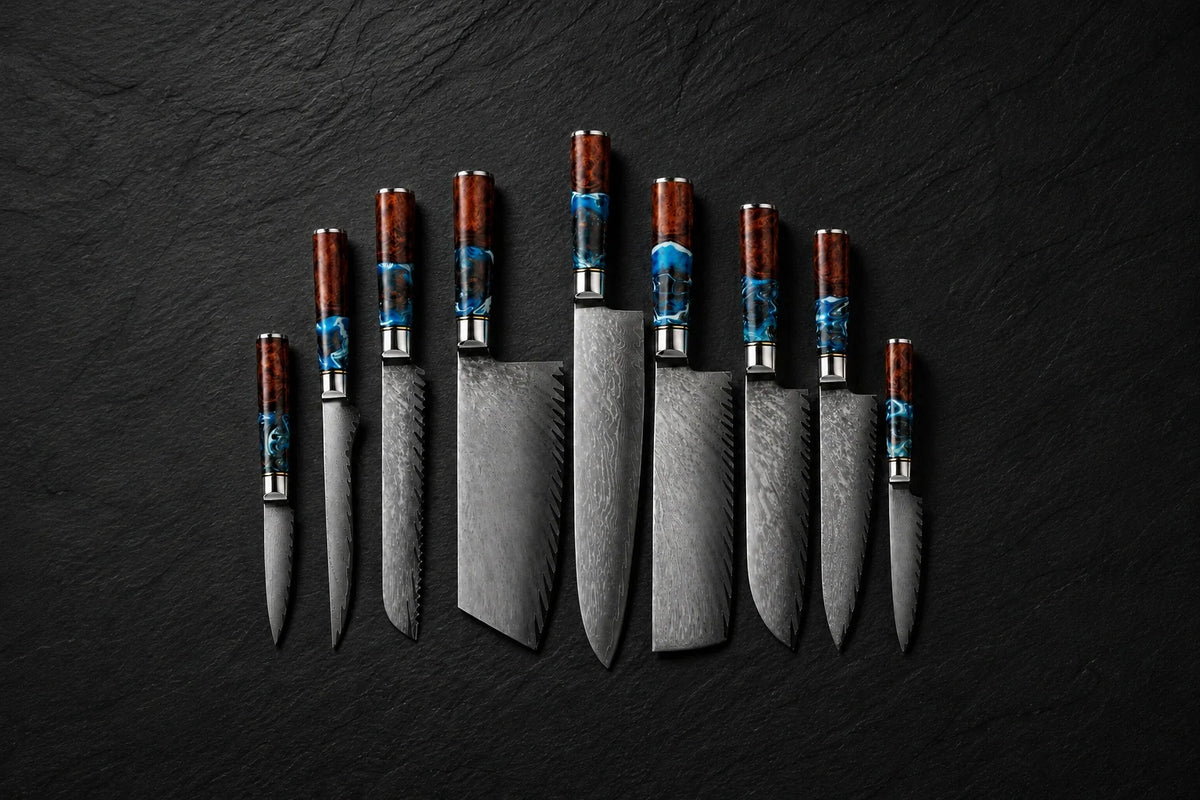
An 8 inch vs 9.5 inch chef knife choice needs a view of the board you actually use. The Harbor Series includes both an 8 inch Chef Knife and a 9.5 inch Chef Knife. Compare those exact options against your ordinary ingredients and usable cutting space, rather than judging length from a product photograph alone.
The larger named length is a different option to consider, not an automatic upgrade. The useful question is which fits the work you want to do and the arrangement you return to each evening.
Measure the area you can really use
A board may look generous until a mixing bowl, ingredient packet and chopped vegetables occupy it. Set out the usual preparation area and notice how much of the surface remains for the ingredient being cut. Include the room around the board, because the worktop edge and nearby appliances are part of the practical layout.
For a small dinner preparation, you might keep a bowl beside the board and work on one ingredient at a time. For a larger shared meal, you might use a wider area with separate bowls for each prepared component. Compare the knife length within that actual arrangement.
Picture familiar ingredients at their real scale
An onion, a pepper and a courgette make a useful comparison because you know the sizes you normally buy. Imagine the whole ingredient and the intended recipe cut on the board. Ask whether you want the shorter named chef option or prefer to consider the longer one for your main preparation role.
A longer ingredient may influence your preference, but it does not settle every part of the purchase. You might prepare that ingredient in manageable recipe portions before the final cuts, or use a different task-specific blade already in the kitchen. Think through the whole meal rather than one dramatic example.
Try writing down two layouts you use: a quick supper for two and a weekend meal for more people. Note the board, the ingredient bowl and the amount you prepare in each. If the larger meal is occasional, decide how heavily it should influence your everyday knife choice. That keeps the purchase grounded in the routine that matters most to you.
Compare length without promising a feel
The option label gives a length, while the current product image and description show the selected profile and handle. KIRU lists natural hardwood and composite resin for the Harbor handle. These details sit alongside the size decision; a number alone cannot establish what you will find comfortable.
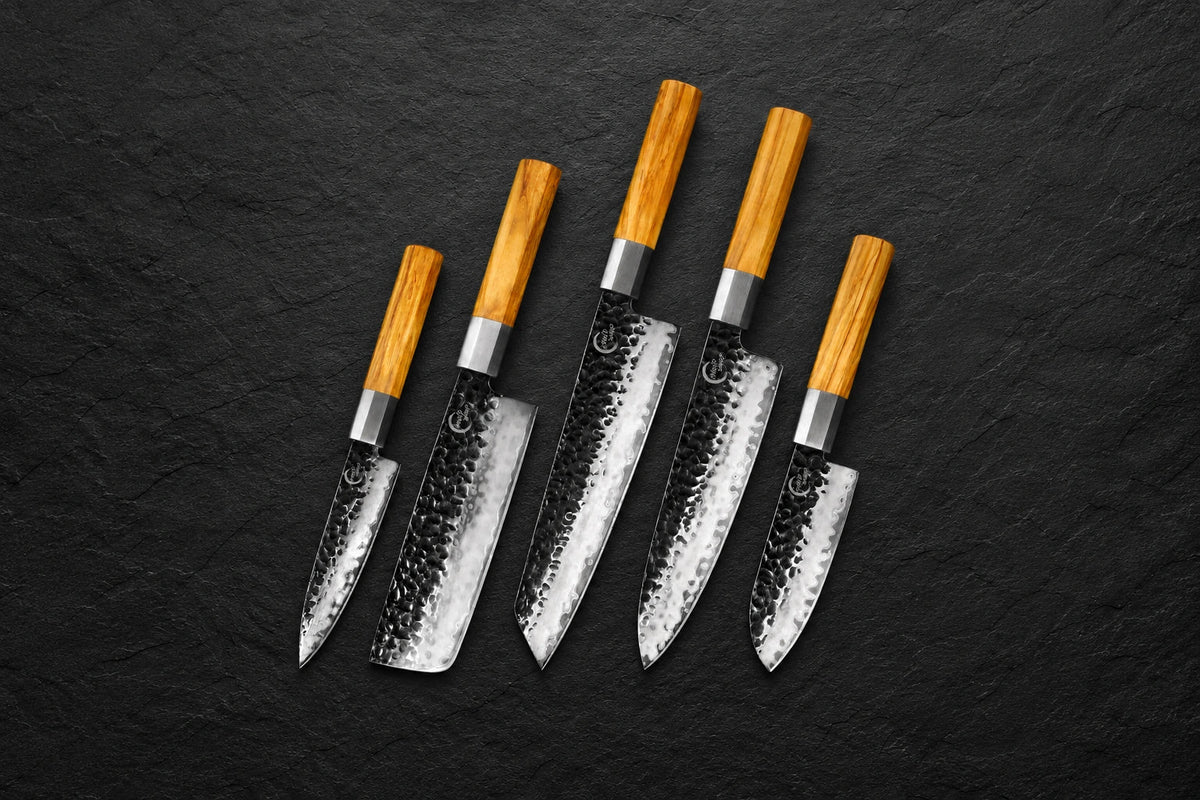
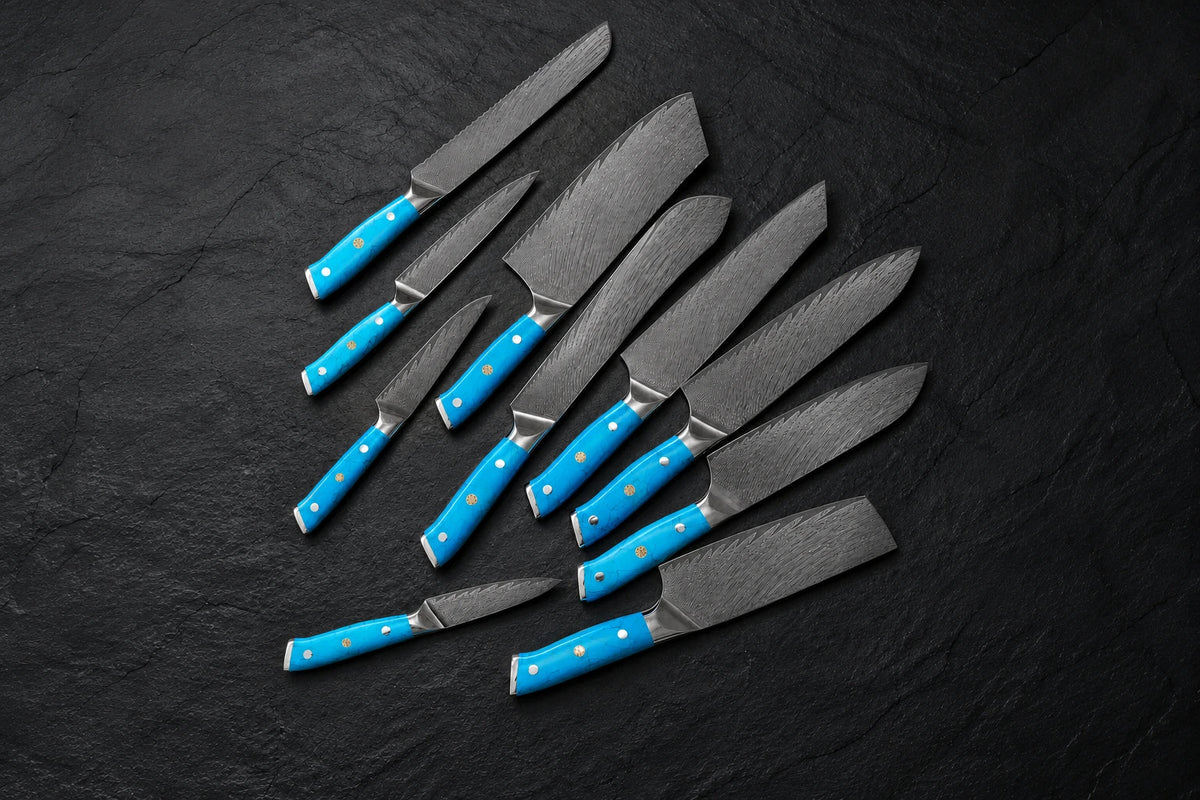
The Timber Series also lists 8 inch Chef Knife and 9.5 inch Chef Knife options. Once you know the role and size you want to examine, you can compare the two ranges specifically, including Timber’s listed maple burl wood and high composite resin handle.
Consider how preparation moves across the board
Some cooks like to work through a meal in separate small stages, moving prepared ingredients to bowls as they go. Others prefer a larger cutting area and fewer changes to the layout. Either preference gives you a better starting point than choosing the largest knife simply because it is present in the selector.
If you are still defining the main knife role, our first-kitchen-knife guide begins with the meals you repeat. Browse the Knife Series after considering your usable board space. Choose the named chef length deliberately, with a real preparation setup in mind.

Leave a comment
This site is protected by hCaptcha and the hCaptcha Privacy Policy and Terms of Service apply.