
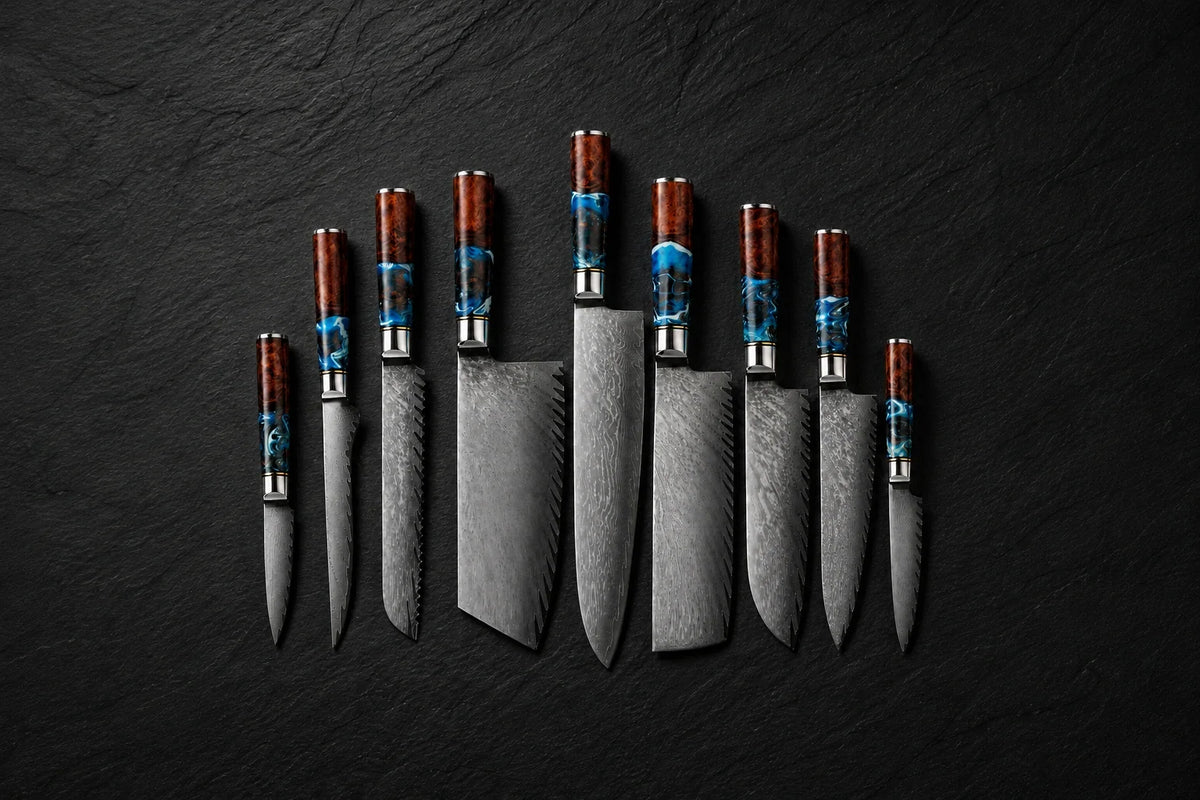
A knife for roast vegetables is easier to choose when you separate the preparation jobs. Carrot rounds, potato wedges and onion pieces are different aims, even when they belong to the same tray meal. The Harbor Series offers named chef, utility and other options, so select the actual profile you want for the recipe’s ordinary vegetable work.
Begin with the recipe and its specified cut sizes. Your knife choice should help you plan those jobs; it should not replace the dish’s preparation or cooking instructions.
Read the vegetable list as several tasks
Imagine a dinner based on prepared carrots, potatoes and onions. Write down the intended shape for each: perhaps carrot pieces, potato wedges and larger onion portions, according to your chosen recipe. The preparation list becomes clearer when you can picture the finished pieces before starting.
Some meals may need a more uniform-looking selection; others deliberately combine different shapes. Decide what the recipe asks for rather than making every ingredient resemble the first one you cut. This is also a chance to notice a separate smaller task, such as preparing a modest garnish or short ingredient addition.
For a meal where the vegetables are a main component, the prepared shapes may be an important part of the serving style you want. For a side dish, you might prefer a simpler selection of recipe cuts. Decide that presentation first, then identify the repeated board work it creates.
Choose the main blade role deliberately
Harbor lists an 8 inch Chef Knife alongside a 9.5 inch Chef Knife and a 5 inch Utility. For the main board work, compare the chef-designated option you want with the usable preparation area and ingredients. Keep the selected size and profile visible in your shortlist, rather than relying on the Harbor range name alone.
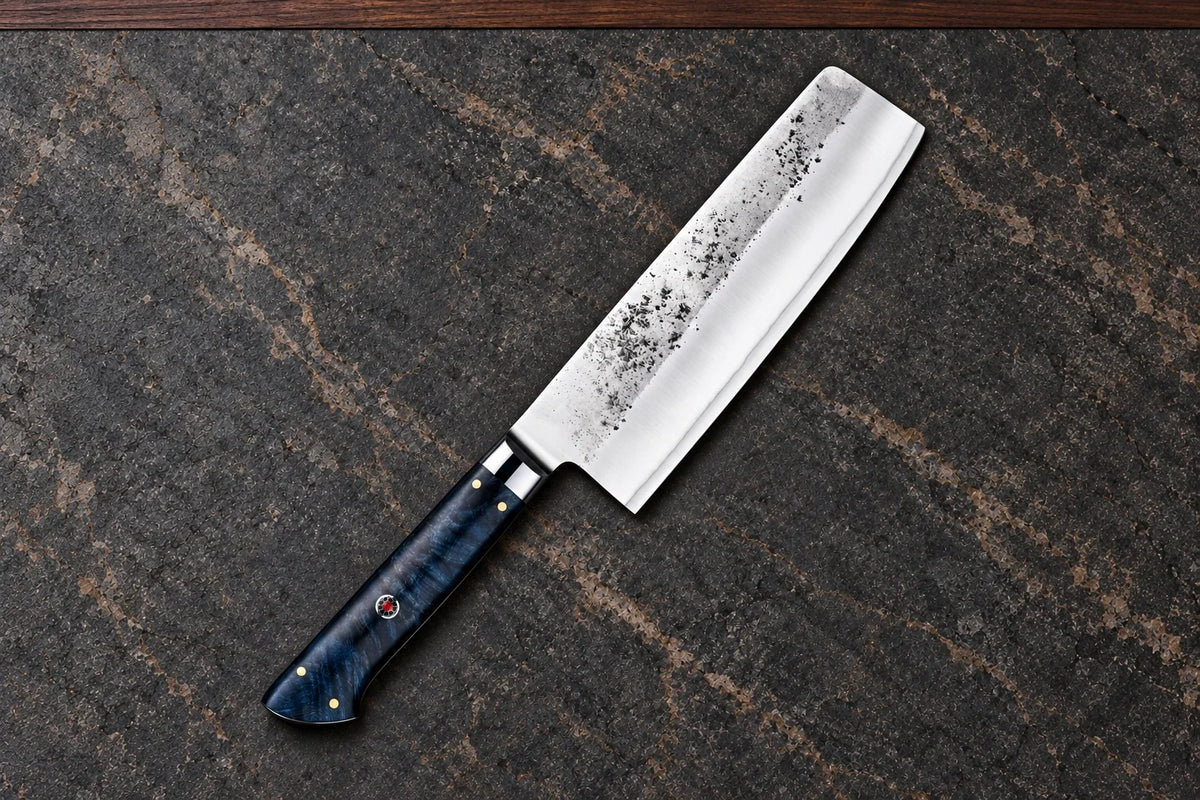
For a dedicated vegetable alternative, KIRU describes the Indigo Series Nakiri Knife as a tall, straight profile designed for push cuts. Consider it because you want a separate vegetable role, with its 7-inch, approximately 18cm blade measured against your own board.
Keep the smaller jobs from taking over the main area
A small amount of another ingredient may belong to a shorter preparation role. The Timber Series includes 3.5 inch Paring and 5 inch Utility options to compare for ordinary smaller board jobs. Decide whether you already have that role covered before adding another knife.
For example, a cook making a tray meal for two might prepare the main vegetables first, move them to the recipe’s next stage and then use the board for a smaller addition. A larger shared meal may benefit from separate bowls for different prepared components. The layout can reflect the scale you actually cook.
Plan the order from the recipe
Check whether the recipe asks you to combine all the prepared vegetables immediately or keep some apart for later stages. Give those ingredients the corresponding destinations in your preparation area. This helps you avoid treating the tray itself as a reason to combine everything before the instructions call for it.
If you often cook roast vegetable meals, note which main knife role you reach for and which smaller job remains awkward. That recurring gap is a better reason for a new blade than collecting a different profile for each vegetable.
Our mixed vegetable preparation guide explores a broader everyday role. Browse the Knife Series after separating the main cuts and smaller jobs. Choose the exact Harbor option or dedicated vegetable profile that makes sense for the roast meals you repeatedly prepare.

Leave a comment
This site is protected by hCaptcha and the hCaptcha Privacy Policy and Terms of Service apply.